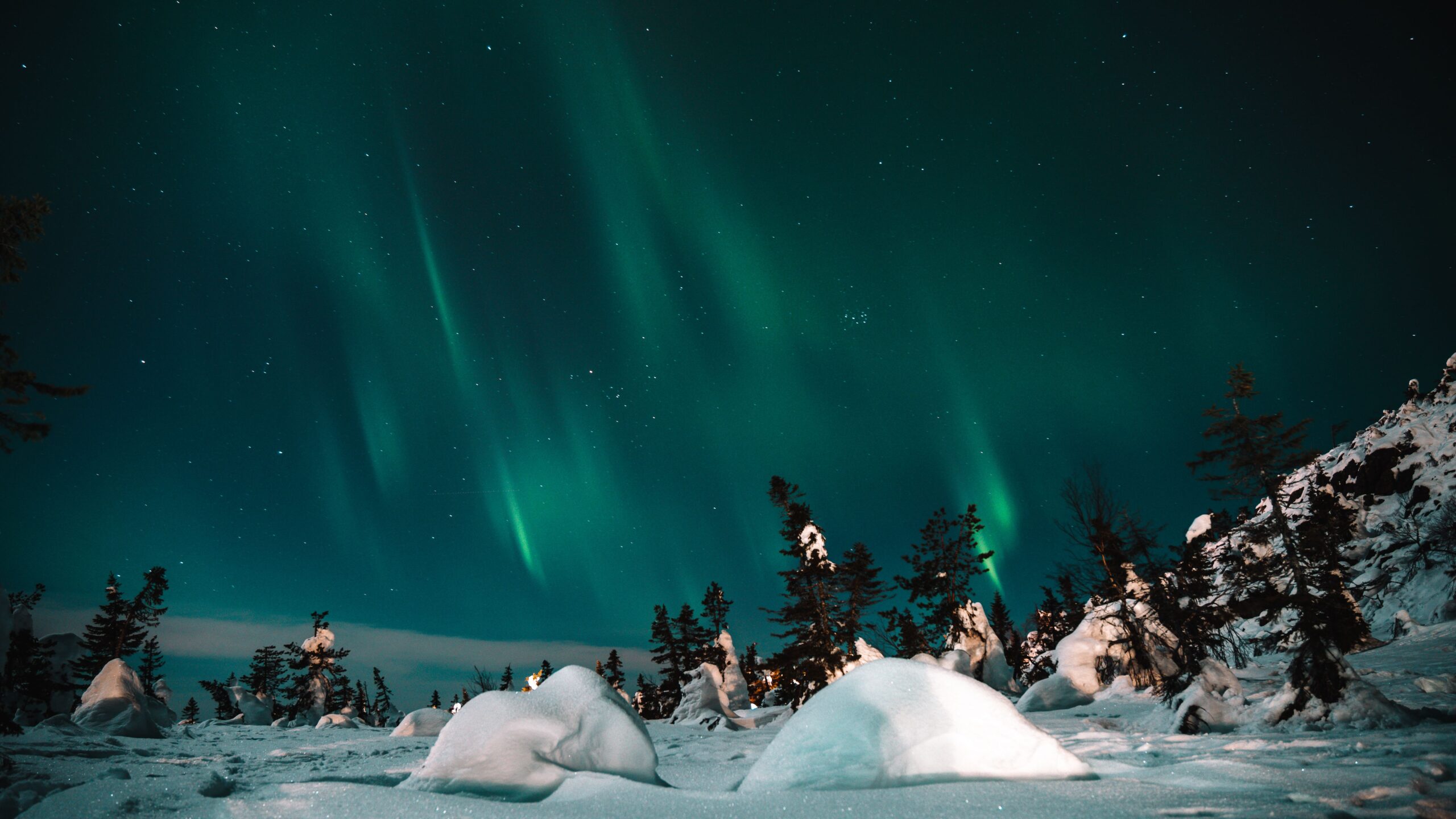
Home Destinations Reykjavík The world’s northernmost capital pairs cultural depth, New Nordic dining, and effortless year-round access to the raw wilderness, serving as the starting point for every Icelandic adventure. Explore the area Summer climate: 14° high avg. / 7° low avg. Winter climate: 3° high avg. / -2° low avg. Currency: Icelandic krona (ISK, kr) Languages: Icelandic, English widely spoken Established as a modest settlement by Norse chieftain Ingólfur Arnarson around 874 AD, Reykjavík took its name from the geothermal steam rising from the surrounding earth — translating literally to ‘Smoky Bay’. For centuries, it remained little more than a humble cluster of turf-roofed farmsteads, until the relocation of the national parliament, the Althingi, in 1845 set its urban transformation in motion. Today, the world’s northernmost capital balances the cultural depth and culinary sophistication of a progressive European hub with the warmth, intimacy, and salty air of a coastal fishing town. Reykjavík is an absolute pleasure to explore on a short city break. Laugavegur, the city’s vibrant main thoroughfare, serves as the pulsating artery of urban life, lined with independent boutiques, cosy bakeries, and lively bars. Along the regenerated waterfront, the Grandi harbour district welcomes visitors with contemporary art spaces, design studios, and street-food halls. Downtown cultural highlights are as diverse as the landscape itself: visitors can glide over volcanic gorges at FlyOver Iceland, walk through an authentic ice tunnel at Perlan, or admire an evening concert beneath the honeycombed glass façade of Harpa Concert Hall. The city is also the most accessible whale-watching hub in the Nordics, with wildlife tours departing year-round to encounter whales just off the capital’s shores. Over recent decades, the Icelandic capital has emerged as a compelling culinary destination. Its dining scene ranges from atmospheric communal food halls and historic harbourside diners to boundary-pushing New Nordic bistros and Michelin-starred establishments, where chefs celebrate wild local game and line-caught seafood. A quintessential experience for every visitor is sampling an iconic Icelandic hot dog with all the traditional trimmings, followed by an evening visit to Sky Lagoon, a coastal geothermal retreat designed around seven rejuvenating bathing rituals. Beyond its urban charms, Reykjavík thrives as the ultimate launchpad for excursions into the raw Icelandic wilderness. The legendary Golden Circle stands out as the essential introduction to Iceland’s dramatic geology, stringing together tectonic fissures, geothermal geysers, and thundering glacial cascades in a single, accessible day trip. Along the South Coast, Route 1 unfolds past monumental waterfalls, vast ice caps, and dramatic black-sand beaches battered by the North Atlantic. To the west, the Snæfellsnes peninsula acts as “Iceland in Miniature”, condensing the country’s diverse volcanic and coastal landscapes into one comprehensive, scenic drive. These routes can be enriched with exhilarating add-ons, including glacier hiking, ice caving, snorkelling between tectonic plates, and even hiking out to the recently formed volcanic lava fields on the nearby Reykjanes peninsula. Best of all, Reykjavík remains an exceptional destination across all four seasons. In summer, the midnight sun bathes colourful rooftop panoramas in perpetual golden light, opening up access to the untamed interior Highlands. In winter, the crisp subarctic air sets the stage for the mesmerising dance of the Northern Lights across the polar sky. Yet, whatever the season, one thing is certain: every authentic Icelandic adventure begins and ends right here, in Reykjavík. Get in touch Explore Icelandwithout the effort. We’re here to help you escape reality — seeing incredible landscapes without the admin required to get there. Get in touch for custom tours tailored to you. Begin your Journey Hallgrímskirkja, Reykjavík’s most monumental landmark, dominates the city skyline, rising almost 75 metres into the sky. Our local insight Things to do in Reykjavík Blending creative urban energy, world-class dining, and effortless access to spectacular wilderness, Iceland’s coastal capital punches far above its weight. Here is our list of the 14 best things to do in Reykjavík, Iceland, designed to help you make the most of your time in the city and beyond. Explore the vibrant pulse of Laugavegur Among the premier places to visit in Reykjavík, the iconic shopping and pedestrian artery of Laugavegur — translated literally as the “Water Road” or “Wash Road” — is an essential stop. Running through the heart of the central 101 district, this lively thoroughfare serves as the cultural living room of the capital, lined with flagship Icelandic design boutiques, artisan bakeries, and cosy cafés that give way to a lively nightlife scene after dark. The street originated in 1885 as a rough gravel cart path connecting the historic settlement of Reykjavík to the geothermal hot springs in the nearby Laugardalur valley. Local women walked this 2-kilometre trail daily, carrying heavy wooden tubs on their backs to wash clothes in the bubbling thermal pools. As the city expanded eastward at the turn of the 20th century, colourful corrugated-iron and timber buildings sprang up along the way, converting the humble utility track into the nation’s foremost commercial avenue. Today, Laugavegur remains a magnetic focal point for both locals and visitors, making a leisurely stroll down its colourful shop-lined pavements one of the most rewarding ways to absorb the city’s creative spirit. Take in the views from Hallgrímskirkja Perched atop the Skólavörduholt hill in downtown Reykjavík, Hallgrímskirkja is Iceland’s largest church and the city’s most recognisable architectural landmark. Rising almost 75 metres into the sky, it functions both as an active Lutheran parish church and as a national monument visible from virtually every vantage point across the capital region. Designed by State Architect Gudjón Samúelsson, who sought to pioneer a distinct Icelandic architectural style inspired by the island’s raw basalt columns and glacial landscapes, construction began in 1945 and spanned a remarkable 41 years. Inside, the minimalist nave houses an immense German-built pipe organ standing 15 metres tall and weighing 25 tonnes. A lift in the foyer whisks visitors up to the panoramic observation deck beneath the bell tower, delivering unmatched 360-degree views across the capital’s colourful rooftops, Faxaflói bay, and Mount Esja. Blending striking modernist design with sweeping urban vistas, visiting this iconic church is undoubtedly one of the best things to see in Reykjavík. Explore Reykjavík’s diverse museums Perlan delivers sweeping 360-degree panoramas across Reykjavík from its rooftop observation deck. When it comes to museums and cultural attractions, Reykjavík punches well above its weight. The capital’s cultural landscape spans everything from vast national collections and open-air heritage villages to cutting-edge science centres, offering an exceptional selection of the best places to visit in Reykjavík for curious travellers. The most significant institution is the National Museum of Iceland, the definitive guardian of the country’s collective memory. Tracing the nation’s story from the first settlement in 874 AD, the museum houses an extraordinary collection of artefacts, including the intricately carved 13th-century Valthjófsstadur door, Viking-age silver jewellery, bronze statuettes of Thor, and pagan burial treasures. Chronologically arranged across two floors with interactive touchpoints and audio guides, it offers an easy and engaging introduction to Icelandic history. For a more tangible glimpse into the past, travellers can head to the city’s outskirts and visit Árbæjarsafn, a well-preserved open-air museum featuring over 20 relocated timber and turf buildings that recreate historical daily life. Science enthusiasts and modern explorers will find equally compelling tech-driven exhibitions. Perlan, undeniably one of the must-see places in Reykjavík, crowns Öskjuhlíd hill beneath a striking glass dome. Inside, visitors can walk through a 100-metre-long indoor ice cave sculpted from genuine snow, watch an 8K Northern Lights planetarium show, and step onto the 360-degree observation deck for panoramic city views. Over in the trendy Grandi harbour district, FlyOver Iceland delivers an exhilarating motion-ride flight simulation that swoops across glaciers, fjords, and volcanic canyons. Reykjavík also embraces the eccentric, boasting quirky venues guaranteed to raise an eyebrow. The world-renowned Icelandic Phallological Museum displays over 300 mammalian biological specimens collected from sea and land creatures, alongside human samples and themed art pieces. Meanwhile, music lovers can venture down into the Icelandic Punk Museum, which documents the raucous 1980s music movement from inside a converted subterranean public convenience. Ranging from ancient sagas to subcultural curiosities, Reykjavík’s museum scene offers something special for every itinerary. Take a dip in Reykjavík’s geothermal spas and pools Sky Lagoon, Reykjavík’s sleekest and most luxurious geothermal retreat. Bathing in geothermally heated waters is a cornerstone of Icelandic daily life and easily one of the best things to do in Reykjavík. The capital caters to every bathing preference, offering everything from oceanfront luxury retreats to cherished neighbourhood thermal pools that double as communal gathering hubs. For an indulgent escape, Sky Lagoon delivers the city’s most refined experience. Perched directly on the coastal edge in Kársnes harbour, its dramatic infinity pool blends seamlessly with the North Atlantic horizon. The retreat was designed with turf-wall facades and dark volcanic stone as a nod to traditional Icelandic architecture, complete with a discreet swim-up cave bar. The highlight of any visit is the signature seven-step Skjól ritual, a restorative sequence alternating warm geothermal soaks, a cold plunge, a sauna with coastal panoramas, and an exfoliating salt scrub. Beyond luxury spas, Reykjavík boasts exceptional public thermal pools, which often serve the same social role as village squares or local pubs. Sundhöllin, opened in 1937 in downtown Reykjavík, is the city’s oldest public bath, featuring a heritage white Art Deco indoor lap pool alongside a sleek modern outdoor expansion with stepped hot tubs, a steam room, and rooftop soaking pools. For serious swimmers and families, Laugardalslaug is the capital’s premier complex, complete with a 50-metre heated outdoor pool, waterslides, and mineral-rich saltwater hot tubs. For something truly distinctive, Nauthólsvík geothermal beach pumps warm thermal runoff into an enclosed golden-sand cove, allowing visitors to alternate between brisk ocean dips and soothing 38°C hot pots. Ultimately, taking to the city’s rejuvenating geothermal waters is an essential component of a Reykjavík city break. Embark on a sea adventure Travellers considering what to do in Reykjavík will find that few European destinations rival the city’s effortless access to ocean wildlife. Departing directly from the historic Old Harbour, marine safaris head straight into Faxaflói bay, where abundant Atlantic currents attract minke whales, humpbacks, white-beaked dolphins, and harbour porpoises within minutes of leaving the pier. Visitors can choose between traditional multi-deck vessels and high-speed rigid inflatable boats, also known as RIBs. Operating year-round, larger cruise vessels are the most comfortable option for families or travellers prone to seasickness, featuring heavy, stable hulls, sheltered observation decks, and heated indoor saloons with a well-stocked bar and refreshments. For adventurers seeking an adrenaline-fuelled, water-level perspective closer to surfacing whales, seasonal RIB tours that run from April to October are a more fitting choice. Seasons also define which offshore experiences are available. Between May and August, dedicated one-hour puffin tours take passengers to protected islands near Reykjavík, where thousands of Atlantic puffins nest during their summer breeding season. Come winter, coastal vessels pivot after dark into floating viewing platforms, heading away from urban light pollution to hunt for the mesmerising Northern Lights above the icy fjords. From exhilarating wildlife sightseeing on a RIB boat to peaceful Aurora cruises, sea adventures straight from the capital deserve a spot in any definitive Reykjavík travel guide. Hunt for the mesmerising Northern Lights Although situated just south of the Arctic Circle, the Icelandic capital is one of Europe’s premier bases for witnessing the Aurora Borealis. Visible in Iceland from late August through mid-April, the Northern Lights turn sub-polar night skies into a dynamic light display, making guided hunts one of the best things to do in Reykjavík in winter. Minibus tours venturing far beyond the city’s light pollution remain the most practical and popular choice among travellers. Many operators pair an evening Aurora hunt with an afternoon soak in a countryside thermal bath, creating one of the most rewarding half day trips from Reykjavík for visitors short on time. Super jeep expeditions offer a wilder experience, navigating snowbound backcountry tracks and remote volcanic landscapes to reach pitch-black highland valleys where standard tour coaches cannot venture. Alternatively, travellers can head out from the city’s harbour on a coastal Aurora cruise across Faxaflói to get away from urban illumination, choosing between standard viewing excursions and relaxed dinner cruises. Ultimately, joining a dedicated Aurora chase is an essential highlight for travellers visiting Iceland during the equinox months and throughout winter. Wander the creative hub of Grandi Harbour Travellers seeking what to do in Reykjavík should make time for the historic Grandi Harbour, a former fishing and shipyard quarter on the capital’s north-western edge that has evolved into a thriving creative district. Despite its cultural reinvention, parts of Grandi remain an active working port, where dry docks, net menders, and ocean trawlers sit alongside sleek design studios and artisanal eateries. The district concentrates several of the city’s top experiential attractions. FlyOver Iceland offers an advanced motion flight simulation soaring over glaciers and volcanic valleys, while the Lava Show recreates an eruption using real molten rock heated to 1,100°C. Nearby, Whales of Iceland displays 23 life-sized, anatomically accurate models suspended beneath ambient underwater lighting, and Aurora Reykjavík serves as an interactive science and photography centre dedicated to the Northern Lights. Grandi’s culinary scene is equally compelling. Grandi Mathöll, housed in a converted marine warehouse, features independent food stalls serving modern Icelandic street food, while Kaffivagninn — the city’s oldest operating eatery — remains a cherished local institution for hearty fish stews and traditional open-faced sandwiches right along the quay. Best of all, the neighbourhood appeals to design-oriented shoppers looking for an alternative to central Laugavegur. Grandi Harbour hosts the flagship store of Farmers & Friends, the celebrated Icelandic label famous for its heritage woollen knitwear tailored with contemporary cuts, alongside independent boutiques showcasing local fashion. For sweets, travellers can stop by the Omnom Chocolate factory shop for small-batch bars and inventive soft-serve ice cream. With its distinct maritime atmosphere, exceptional dining, and abundant shopping opportunities, Grandi Harbour remains one of the most engaging places to visit in Reykjavík. Experience the flavours of Icelandic cuisine Kjötsúpa, Iceland’s traditional lamb and root vegetable soup. Icelandic cuisine — shaped by geographical isolation and subarctic elements—is a highlight of any Reykjavík city break, establishing the capital as an inventive New Nordic culinary destination. Exceptionally pure ingredients form the core of the local diet, featuring free-roaming mountain lamb, cold-water Atlantic seafood, and fresh vegetables cultivated in geothermal greenhouses year-round. In any comprehensive Reykjavík travel guide, several traditional staples stand out as essential tasting experiences. The iconic pylsa, an organic lamb-based hot dog, remains the favourite local street food — traditionally ordered “eina med öllu” (one with everything, including remoulade, sweet mustard, and both raw and crispy fried onions). The comforting fish stew known as plokkfiskur combines flaked whitefish mashed with potatoes and béchamel sauce, while hearty kjötsúpa, a traditional lamb and root vegetable soup, offers classic winter nourishment. For a unique taste of geothermal cooking, travellers can try rúgbraud, a dense, slightly sweet dark rye bread baked slowly inside pots buried in steaming volcanic earth. The capital’s dining landscape spans casual institutions to Michelin-starred dining rooms. Street food favourites include Bæjarins Beztu Pylsur, which has served its signature hot dogs to everyone from visiting foreign dignitaries to late-night revellers since 1937, and artisan bakery Braud & Co, renowned for fresh sourdough loaves and spiced cinnamon buns. Hlemmur Mathöll, a converted 1970s bus terminal that launched Reykjavík’s food-hall culture in 2017, provides an informal communal space with diverse vendors, while acclaimed restaurants like Dill and Óx elevate hyper-seasonal foraged ingredients into avant-garde tasting menus. Across street food stalls and refined dining rooms alike, tasting local specialities easily ranks among the best things to do in Reykjavík. Hike the volcanic landscapes of Fagradalsfjall Adventurous travellers seeking what to do in Reykjavík should consider an excursion to the restless volcanic terrain of Fagradalsfjall. Situated on the Reykjanes peninsula roughly 55 kilometres south-west of the capital, the site gained global attention in 2021 after ending an 800-year dormant period across the region. Subsequent fissure eruptions have since established it as a major destination for hikers wishing to witness some of the youngest terrestrial landmass on the planet. Reaching the volcanic area requires a moderately demanding hike across rugged ridgelines, gravel scree, and windswept volcanic plains. Along the trail, travellers encounter expansive fields of jet-black, ropey basalt that remain warm to the touch, with steam rising from deep cooling fissures that showcase active geological processes along the Mid-Atlantic Ridge. Easily accessed via scenic coastal routes, the spectacular Fagradalsfjall volcano is undoubtedly among the most rewarding Iceland half-day trips from Reykjavík. Admire the iconic Sun Voyager sculpture Perched on a polished granite slab along the scenic Sæbraut coastal promenade, Sólfar — or the Sun Voyager — is the capital’s most photographed sculpture. Travellers compiling a list of places to see in Reykjavík should make time for a photo stop near this stainless-steel landmark, positioned directly against the waters of Faxaflói bay with the flat-topped silhouette of Mount Esja rising across the water. Designed by celebrated Icelandic sculptor Jón Gunnar Árnason, the piece won a competition to commemorate the 200th anniversary of Reykjavík receiving its municipal trading charter. Though often mistaken for a traditional Viking longship, Árnason conceived the skeletal vessel as an ode to the sun, symbolising hope, progress, and the human drive to journey into uncharted territory. Today, anyone considering what to see in Reykjavík should plan a stop here around sunrise, sunset, or the prolonged golden hour of midsummer, when the low subarctic light reflects off the steel frame and the surrounding sea. Experience world-class culture at Harpa Concert Hall Opened in 2011 on the edge of Reykjavík’s Old Harbour, Harpa is the cultural centrepiece of modern Iceland and a state-of-the-art home for the nation’s performing arts. Designed by Henning Larsen Architects in collaboration with celebrated artist Ólafur Elíasson, the waterfront building features an extraordinary southern façade composed of more than 700 twelve-sided, geometric glass “quasi-bricks”. Inspired by Iceland’s columnar basalt formations, the dichroic glass captures, refracts, and mirrors the shifting Nordic light and coastal waters. The interior is as striking as its exterior architecture. The complex houses four main auditoriums, each named after an element of Icelandic nature: the volcanic, deep-red Eldborg (the main hall with 1,800 seats), the crystalline Silfurberg with 750 seats, the atmospheric Nordurljós named in honour of the Northern Lights, and the intimate coastal hall, Kaldalón. Hosting more than 1,000 concerts, conferences, and festivals annually, this landmark venue is deservedly mentioned among the must-see places in Reykjavík. Visitors attending a performance here are spoilt for choice, with programmes spanning classical repertoires by the Iceland Symphony Orchestra and the Icelandic Opera to contemporary indie gigs, resident theatre productions, and major international music festivals. Even without performance tickets, wandering the luminous public foyers, browsing the design shops, or dining overlooking the harbour make an evening at Harpa one of the essential things to do in Reykjavík. Explore the geological wonders of the Golden Circle The last stop along the classic Golden Circle, the thunderous two-tiered cascade of Gullfoss is a highlight of any excursion from Reykjavík. No Reykjavík city break is complete without exploring the world-famous Golden Circle. Spanning a loop of roughly 300 kilometres through the southern lowlands, this classic route connects three of Iceland’s most significant geological and historical landmarks in a single excursion. Located roughly 45 minutes’ drive from the capital, Thingvellir National Park is a UNESCO World Heritage Site renowned as the cradle of Icelandic democracy and a major tectonic wonder. The park sits within the Mid-Atlantic Ridge rift valley, where the North American and Eurasian plates slowly diverge. It was here in 930 AD that the Althingi — one of the world’s oldest surviving parliaments — was founded. Within the park lies the Silfra fissure, a submerged canyon fed by filtered glacial meltwater that earns acclaim as an elite drysuit diving and snorkelling site in nearly every Reykjavík travel guide. The next stops on the route are no less spectacular. The Haukadalur geothermal valley shelters the dormant Great Geysir — which gave the name to all geysers worldwide — and the hyperactive Strokkur, which blasts boiling water up to 30 metres high reliably every few minutes. The circuit culminates at Gullfoss, an iconic glacial waterfall where the Hvítá river plunges over a dramatic two-tiered basalt staircase into a deep canyon. Travellers can tailor the classic loop with rewarding add-ons, such as walking the rim of the 3,000-year-old Kerid crater or unwinding at local geothermal lagoons. But regardless of the tour choice, the Golden Circle remains the gold standard among half-day trips from Reykjavík. Discover the dramatic landscapes of the South Coast Reynisfjara, the iconic black-sand beach of Southern Iceland, is famous for its hexagonal basalt cliffs and the jagged Reynisdrangar sea stacks rising just offshore. The capital also serves as the primary springboard for trips into Southern Iceland, arguably the country’s most dramatic region, celebrated for volcanic black-sand beaches, calm glacial lagoons, immense ice caps, and cascading waterfalls. A journey through this cinematic corridor is recommended by virtually every Reykjavík travel guide. A classic day excursion covers several of Iceland’s most famous natural sights along Route 1. Highlights include Seljalandsfoss — a waterfall notable for the footpath tracing behind its 60-metre plume — the thunderous curtain of Skógafoss, and the jet-black shore of Reynisfjara, framed by hexagonal basalt columns and the jagged Reynisdrangar sea stacks. Many itineraries pause in Vík í Mýrdal, a picturesque coastal village crowned by a hilltop red-roofed church, while more active tours incorporate guided glacier hikes on Sólheimajökull or explorations inside the subglacial Katla ice caves. For travellers willing to cover longer distances, ambitious itineraries offer even deeper exploration. Further east of Vík lies Jökulsárlón glacier lagoon, where ancient icebergs calve from the Breidamerkurjökull glacier and drift past seals towards Diamond Beach. While demanding a rigorous 14-hour return journey, the highlight of the excursion is boarding an amphibious boat to cruise directly amongst the floating bergs before walking the glittering black sands across the road. These extended runs rank among the most unforgettable Iceland day trips from Reykjavík. During summer, 4×4 super jeep tours also venture into the highlands, where the colourful rhyolite mountains and geothermal pools of Landmannalaugar open up to hikers. Overall, experiencing this diverse wilderness expanse on a day trip remains one of the best things to do in Reykjavík. Journey across the Snæfellsnes peninsula Ytri Tunga, a rare golden-sand beach on the Snæfellsnes peninsula, is one of the best places in Western Iceland to spot resident seals lounging on offshore rocks. The Snæfellsnes peninsula in Western Iceland is an essential day trip for the ultimate Reykjavík city break. Stretching into the North Atlantic roughly two hours north of the capital, this dramatic finger of land has earned the nickname “Iceland in Miniature” because nearly every iconic geological feature found across the country is concentrated across this single 90-kilometre stretch. The coastline abounds with distinctive landmarks. At Ytri Tunga, visitors encounter a rare golden-sand beach that serves as one of the best locations in the country for spotting resident harbour and grey seals resting on offshore skerries. Further west stands Búdakirkja, an iconic 19th-century black wooden church set in stark isolation against windswept moss and volcanic fields. The geological variety deepens further along the tip of the peninsula. The undisputed highlight is Kirkjufell, a distinctive 463-metre peak resembling a freestanding church steeple, famously framed alongside the cascading tiers of the Kirkjufellsfoss waterfall. Nearby, the historic coastal hamlet of Arnarstapi showcases basalt sea cliffs carved with natural arches, while Djúpalónssandur offers a dark cove of smooth black lava pebbles and dramatic maritime history. Dominating the entire western horizon is the 7,000-year-old stratovolcano Snæfellsjökull, made famous as the entry point in Jules Verne’s Journey to the Centre of the Earth, alongside the towering basalt sea stacks of Lóndrangar. Packed with glaciers, volcanic formations, and dramatic seascapes within easy reach of the capital, a loop around Snæfellsnes stands among the most diverse and spectacular Iceland day trips from Reykjavík. Getting around Reykjavík is one of the few European capitals without a metro, tram, or passenger rail network — a reflection of Iceland’s small population and widespread car ownership rather than technical limitation. Navigating the capital instead relies on a compact, pedestrian-friendly core supported by a comprehensive public bus system, shared micro-mobility, and local taxis. The city centre is remarkably compact and easy to walk, making exploring on foot the simplest way to see iconic landmarks, cafés, and harbourside streets. For quicker hops across downtown, electric scooters have become an integral part of local life; apps like Hopp and Zolo allow visitors to unlock e-scooters and e-bikes parked throughout central neighbourhoods. Public transport across the greater capital area is operated by Strætó, whose yellow buses link the city centre with suburban points of interest such as Perlan and the Sky Lagoon. Fares can be purchased digitally through the official Klappid app, contactless cards, or via multi-day passes. Travellers planning intensive museum-hopping often opt for the 24-, 48-, or 72-hour Reykjavík City Card, which combines free bus travel with admission to thermal pools and cultural venues. Taxis are plentiful, licensed, and metered, though fares are notably high — just like elsewhere in the Nordics. Ride-hailing services like Uber and Lyft do not operate in Iceland, meaning journeys must be arranged via taxi ranks or local dispatch apps (Hreyfill and BSR). Renting a car solely for city use is rarely advisable; central parking is divided into strictly monitored paid zones with escalating hourly tariffs, and traffic within pedestrianised lanes can be restrictive. Local flights — primarily serving Akureyri, Ísafjördur, and Egilsstadir — depart from Reykjavík domestic airport, situated just minutes from the city centre. However, all international arrivals land at Keflavík International Airport, located roughly 50 kilometres south-west on the Reykjanes peninsula. Connecting to the city is straightforward via scheduled airport coaches, private chauffeured transfers, or direct car-rental pick-ups geared for onward ring-road travel. Nearby attractions Explore the wider area Southern Iceland & The Highlands Western Iceland Northern Iceland Southern Iceland & The Highlands Southern Iceland offers effortless access to raw wilderness straight from the capital and boasts the country’s greatest concentration of natural attractions, encompassing the renowned Golden Circle, spectacular waterfalls, massive ice caps, iceberg-strewn glacier lagoons, and dramatic volcanic gorges. Read more Western Iceland Often hailed as “Iceland in Miniature”, Western Iceland showcases a diverse spectrum of natural wonders — from the glacier-capped Snæfellsnes peninsula and historic coastal hamlets to sweeping fjord valleys and cascading geothermal springs. Read more Northern Iceland Defined by dramatic fjords, active volcanic calderas, and thunderous cascades, Northern Iceland offers an untamed wilderness anchored by the Diamond Circle and the country’s premier whale-watching bays. Read more Southern Iceland & The Highlands Southern Iceland offers effortless access to raw wilderness straight from the capital and boasts the country’s greatest concentration of natural attractions, encompassing the renowned Golden Circle, spectacular waterfalls, massive ice caps, iceberg-strewn glacier lagoons, and dramatic volcanic gorges. Read more Western Iceland Often hailed as “Iceland in Miniature”, Western Iceland showcases a diverse spectrum of natural wonders — from the glacier-capped Snæfellsnes peninsula and historic coastal hamlets to sweeping fjord valleys and cascading geothermal springs. Read more Northern Iceland Defined by dramatic fjords, active volcanic calderas, and thunderous cascades, Northern Iceland offers an untamed wilderness anchored by the Diamond Circle and the country’s premier whale-watching bays. Read more Get in touch You do this.We’ll do the rest. We can’t wait to curate your dream Northern European adventure. Get in touch, and we’ll get you moving. Begin your Journey Our travel log We curate content, too Featured Tours Luxury Holidays in Norway It may seem challenging to plan luxury holidays in Norway, but rest assured — we are specialists in crafting exceptional journeys. Discover our best ideas for luxury travel in Norway — from thrilling fjord cruises and peaceful nature retreats to immersive wildlife safaris and strenuous yet scenic hikes. In this guide, you will find not only the best concepts and destinations for luxury trips to Norway, but also our handpicked selection of top-tier hotels, tours, and cruises. In short, everything you need for an unforgettable adventure. Adventures Featured Tours 4 Best Places to See the Northern Lights in Scandinavia and Finland Scandinavia and Finland are, arguably, among the best places on Earth to observe the Northern Lights — a truly mesmerising natural phenomenon that attracts tens of thousands of visitors every year. The reasons for this exceptional status extend beyond their prime geographical location and long, dark winters; the region also boasts top-notch infrastructure, a variety of exciting activities, and numerous major tourist attractions. Moreover, travel companies provide an excellent selection of tours specifically designed to complement your Aurora Borealis safaris. Featured Local tips Tours 13 Best Fjords in Norway to See and Visit Norway is almost synonymous with fjords. These stunning waterways, carved by ancient glaciers, snake inland from the dramatic coastline, creating landscapes of unparalleled beauty that draw visitors from across the globe. Deciding which are the most beautiful fjords in Norway is truly tough. And to help you navigate this breathtaking landscape, our article will explore some of the best fjords in Norway, their main destinations, and the top things to do in each area. Featured 10 Best Christmas Holiday Destinations in Northern Europe Looking for a white Christmas in Northern Europe? Planning to celebrate your Christmas holidays traveling? Look no further than our article! Adventures 11 Best Things To Do in Odda, Norway Odda, a small, picturesque town in Western Norway, has been a popular tourist destination for centuries — even Kaiser Wilheim II stayed there! In recent times, the town has become popular thanks to viral photos from Trolltunga (located nearby) and the release of the “Ragnarok” series on Netflix (which was filmed in Odda). In our new article, we will discuss all aspects of traveling to Odda and explore the best things to do in Odda, Norway. By the way, we have even added Odda to our list of the 17 most picturesque towns and villages in Norway — check out more fabulous destinations in our article. And now, let’s have a look at what to do in Odda, Norway. Tours Oslo On A Budget: Detailed City Guide to the Norwegian Capital Oslo is one of the most expensive cities in the world, yet many tourists seek to visit this wonderful Norwegian capital. Even if you don’t have a great stash of cash for your next visit, it is possible for you to enjoy your time in Oslo. As you will see from this page, visiting Oslo on a budget is possible – you should just know some tips and tricks on how to do it. You can also explore a rich selection of guided city tours in Oslo at Oslo Walking.